
ProSoft 5302-MBP-MCM4 Modbus Plus to Modbus 4-Port Gateway Inquiry Product
Product Details
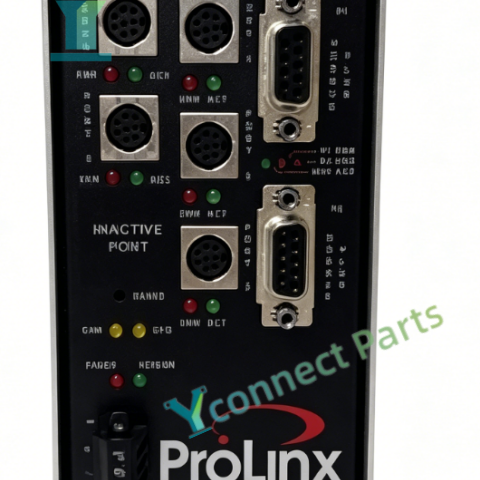
The ProSoft 5302-MBP-MCM4 is a multi-channel standalone ProLinx protocol gateway built for legacy Schneider automation network integration. It provides bidirectional data conversion between Modbus Plus and Modbus RTU protocols, acting as a bridge for Modbus Plus PLC hosts to communicate with multiple Modbus RTU slave field devices. This gateway is equipped with one Modbus Plus interface and four independent configurable serial ports. Each serial port can be configured as Modbus RTU master or slave separately, supporting RS232, RS422 and RS485 signal levels. Users can configure register mapping, polling cycles, station addresses and timeout parameters to collect data from inverters, flow meters, pressure transmitters and other Modbus instruments.
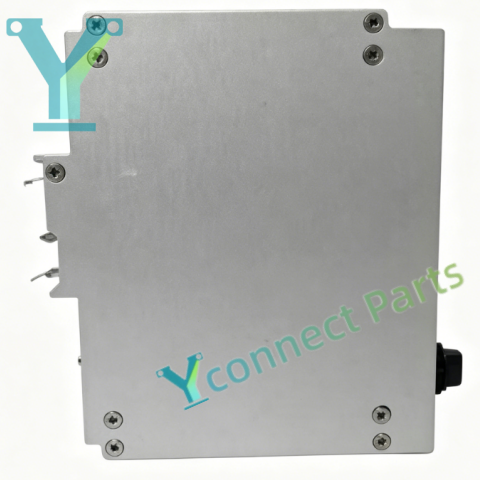
This gateway supports standard DIN rail mounting inside control cabinets. It operates on 24 VDC industrial power supply and comes with front LED indicators for power, Modbus Plus network status, serial transmit, receive and fault alarm. These indicators help engineers quickly check communication status and troubleshoot field faults during commissioning and maintenance. All configuration work including data mapping tables and serial communication parameters is finished in ProSoft Configuration Builder software. Each serial channel has independent diagnostic functions, supporting frame error statistics and real-time data monitoring. It has good EMC protection to withstand industrial electromagnetic interference, with an operating temperature range of 0°C to 55°C for reliable long-term continuous operation.
This multi-port gateway is widely applied in process control, water treatment, factory production line transformation and old Schneider Modbus Plus system upgrade projects. It allows one Modbus Plus controller to connect four groups of Modbus RTU devices simultaneously, saving the cost of deploying multiple single-port gateways. As a discontinued legacy communication gateway, the 5302-MBP-MCM4 is mainly provided as spare replacement parts for existing running automation systems. It keeps stable cross-protocol data transmission, retains the original control logic and effectively lowers system renovation expenses.
Product recommendation
-
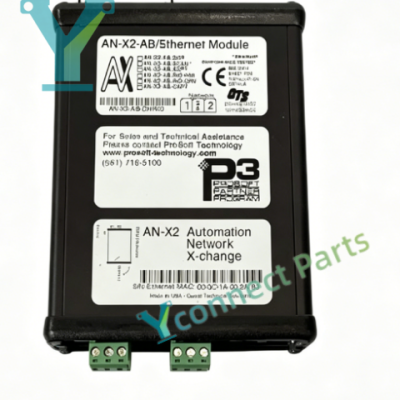
ProSoft AN-X2-AB-DHRIO EtherNet/IP to DH
-
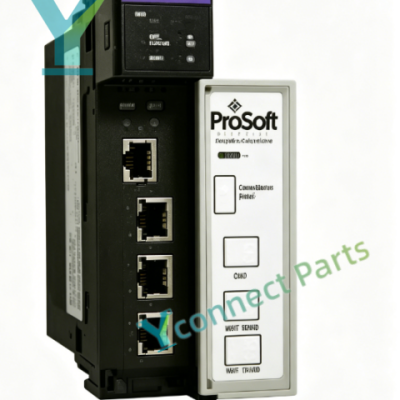
ProSoft MVI56-MNETR Modbus TCP Communica
-
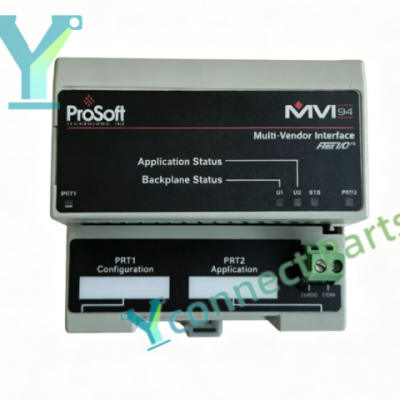
ProSoft MVI94-GSC Generic Serial ASCII C
-
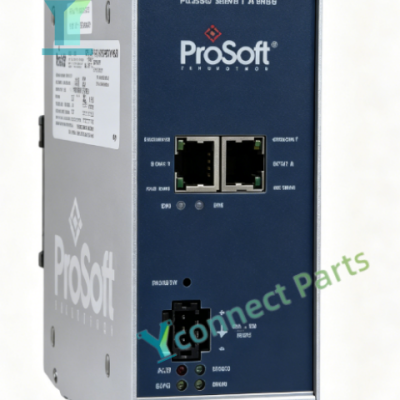
ProSoft PLX82-MNET-61850 Modbus TCP to I
-
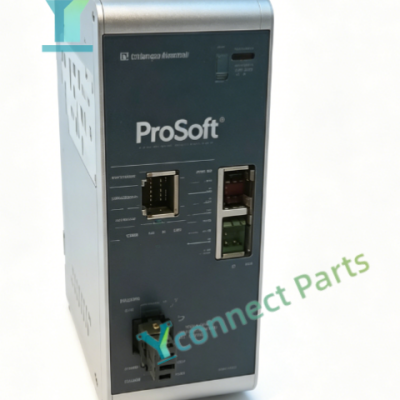
ProSoft PLX82-MBTCP-PNC Modbus TCP to PR
-
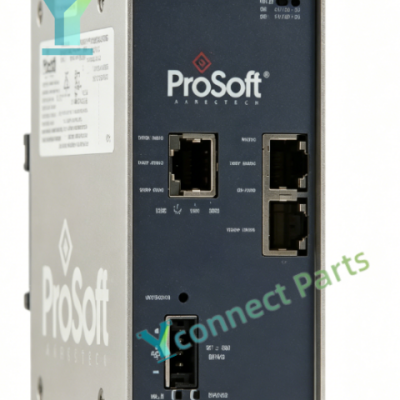
ProSoft PLX82-EIP-PNC EtherNet/IP to PRO
-
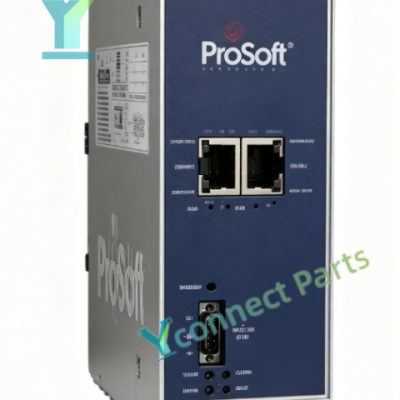
ProSoft PLX82-EIP-61850 EtherNet/IP IEC
-
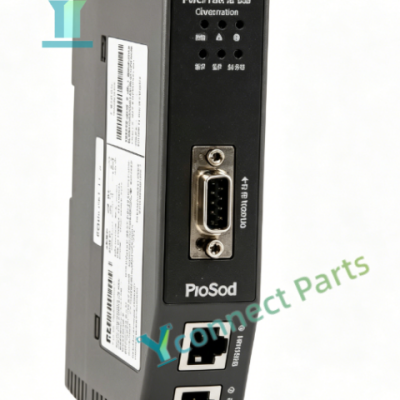
ProSoft PLX51-PBS PROFIBUS DP Slave to E
-
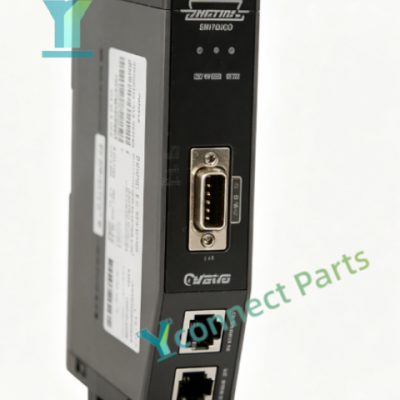
ProSoft PLX51-PBM PROFIBUS DP Master Sla
-
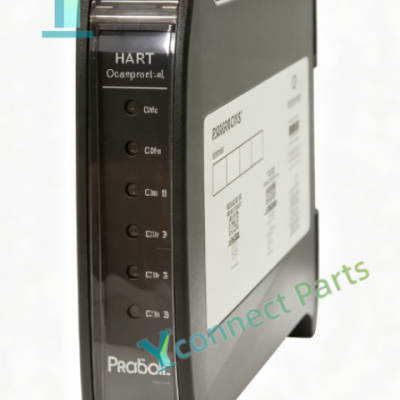
ProSoft PLX51-HART-4O 4-channel HART Out