
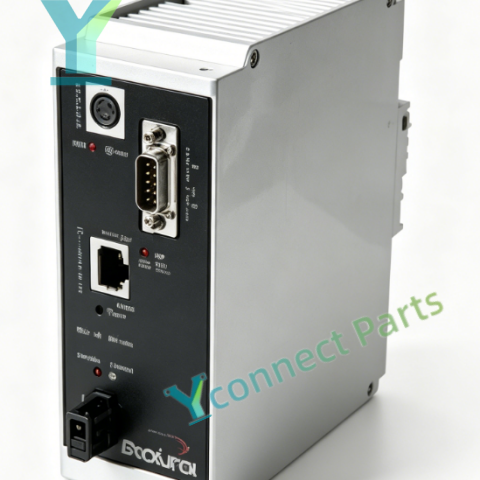
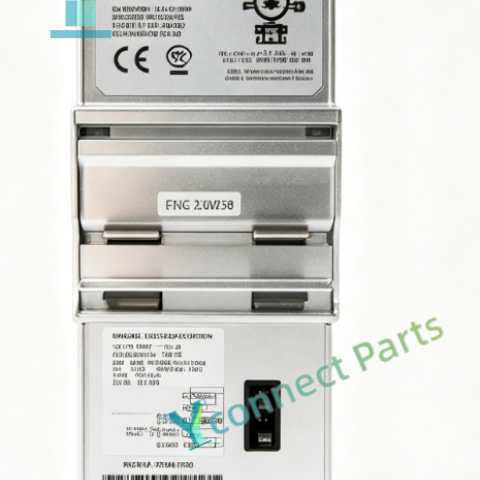
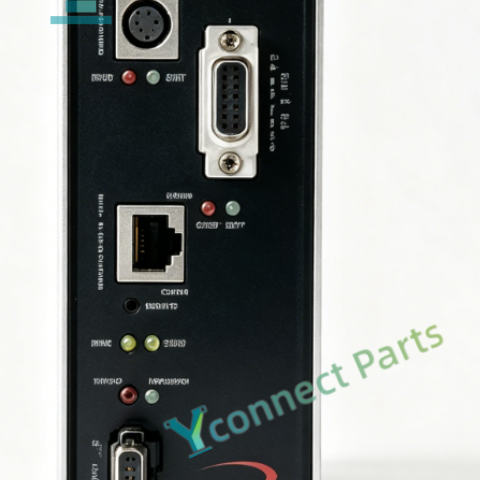
ProSoft 5205-DFNT-PDPS EtherNet/IP to PROFIBUS DP Slave Gateway Inquiry Product
Product Details
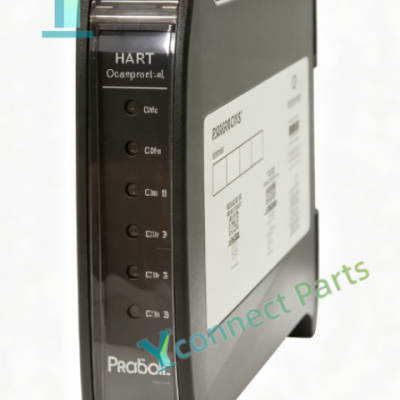
The ProSoft 5205-DFNT-PDPS is a standalone ProLinx protocol gateway for industrial automation, which provides bidirectional data conversion between EtherNet/IP and PROFIBUS DP slave protocols. It acts as a communication bridge to transfer data between Rockwell EtherNet/IP controllers and PROFIBUS DP master hosts. The gateway is fitted with one 10/100Base-TX Ethernet port for EtherNet/IP communication and a 9-pin D-SUB PROFIBUS DP slave interface. It supports standard cyclic I/O data exchange, and the matching GSD file can be imported into PROFIBUS master configuration tools for quick network integration. Users can map analog values, binary signals and register data between EtherNet/IP tags and PROFIBUS process data objects flexibly.
This gateway adopts DIN rail mounting for installation inside control cabinets. It is powered by 24 VDC industrial power supply and has front-panel LED indicators for power, Ethernet link, PROFIBUS traffic and fault status, which helps technicians quickly identify communication issues during commissioning and maintenance. All data mapping, data length configuration, timeout parameters and diagnostic options are set up via ProSoft Configuration Builder software. It offers rich diagnostic functions including link status checking, error frame counting and real-time data viewing. It features good EMC capability to withstand electromagnetic interference in factory and process sites, with an operating temperature range of 0°C to 55°C for reliable long-time continuous operation.
This protocol gateway is widely used in production line automation, process control systems, water treatment, oil and gas auxiliary control and legacy automation system retrofit projects. It enables EtherNet/IP PLCs to connect into PROFIBUS DP networks without replacing the existing PROFIBUS master system or rewriting main control programs. As a discontinued legacy communication gateway, the 5205-DFNT-PDPS is mainly supplied as spare replacement parts for operating automation systems. It keeps stable cross-protocol data transmission, retains the original control architecture and lowers the total cost of system upgrade.
Product recommendation
-
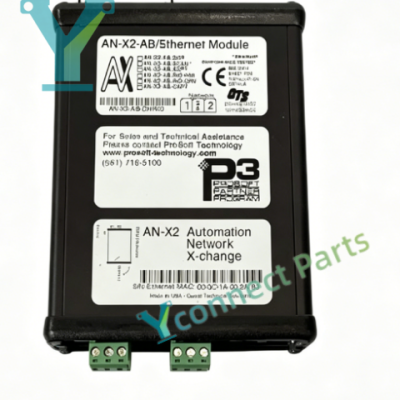
ProSoft AN-X2-AB-DHRIO EtherNet/IP to DH
-
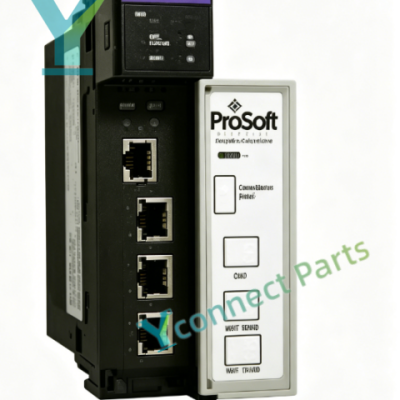
ProSoft MVI56-MNETR Modbus TCP Communica
-
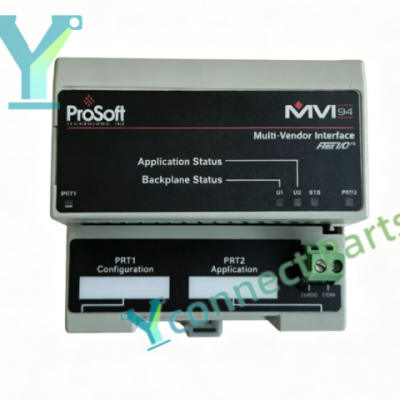
ProSoft MVI94-GSC Generic Serial ASCII C
-
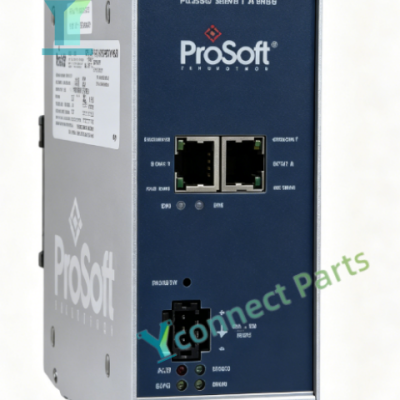
ProSoft PLX82-MNET-61850 Modbus TCP to I
-
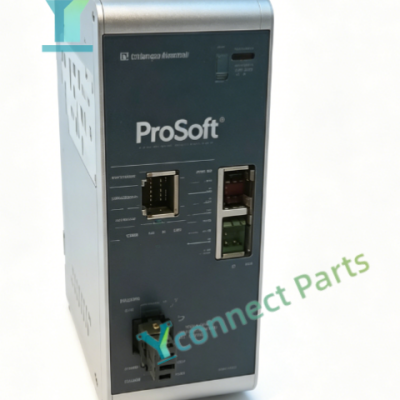
ProSoft PLX82-MBTCP-PNC Modbus TCP to PR
-
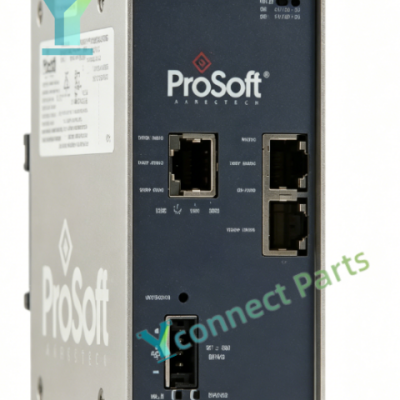
ProSoft PLX82-EIP-PNC EtherNet/IP to PRO
-
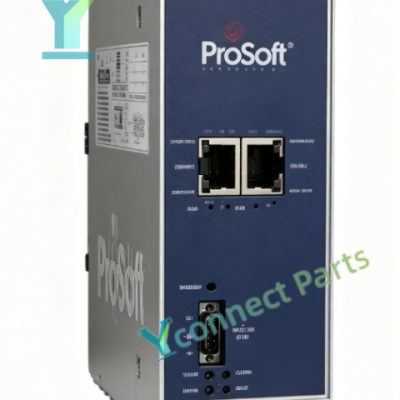
ProSoft PLX82-EIP-61850 EtherNet/IP IEC
-
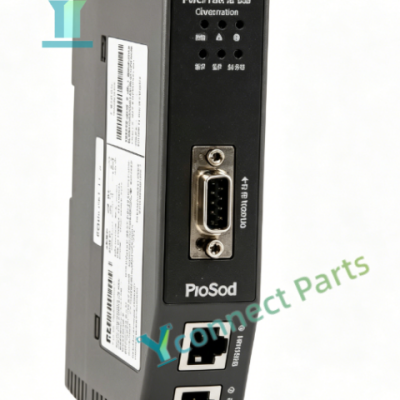
ProSoft PLX51-PBS PROFIBUS DP Slave to E
-
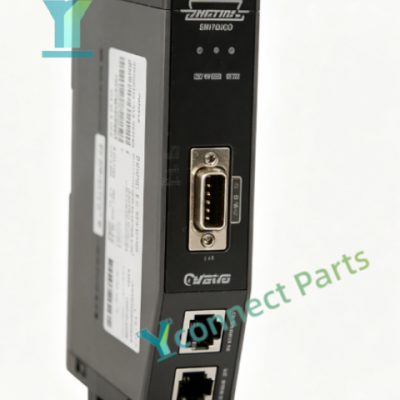
ProSoft PLX51-PBM PROFIBUS DP Master Sla
-
ProSoft PLX51-HART-4O 4-channel HART Out