
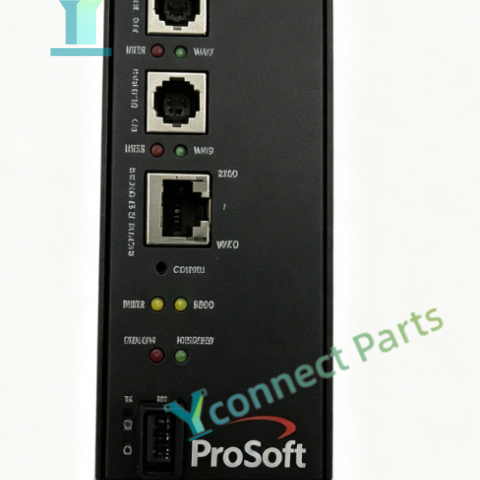
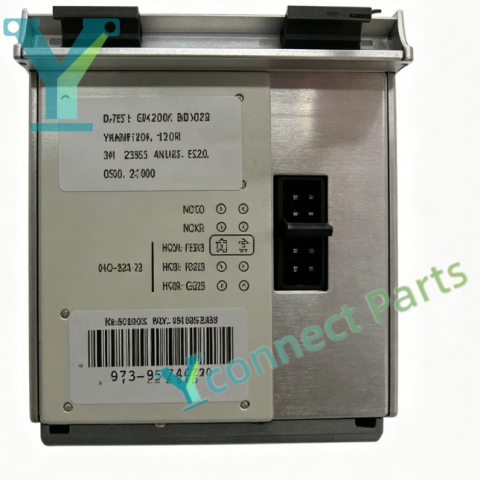
ProSoft 5201-DFNT-ASCII EtherNet/IP to ASCII Serial Gateway Inquiry Product
Product Details
The ProSoft 5201-DFNT-ASCII is a standalone ProLinx protocol gateway designed to connect Rockwell EtherNet/IP control networks with generic ASCII serial devices. It serves as a bidirectional communication bridge, converting EtherNet/IP explicit messaging data to customizable ASCII serial strings and vice versa. The gateway is equipped with one 10/100Base-TX Ethernet port for EtherNet/IP communication and one configurable serial port supporting RS232, RS422 and RS485 physical interfaces. It supports flexible framing, delimiter settings and custom string formatting for serial instruments, barcode readers, weighing terminals, printers and other non-standard serial devices. Users can define read/write commands, polling sequences and data mapping tables inside the gateway.
This gateway adopts standard DIN rail mounting for installation inside control cabinets. It is powered by 24 VDC industrial power supply and features front-panel LED indicators for power, network activity, serial transmit, receive and fault status, which helps technicians quickly locate communication faults during commissioning and maintenance. Configuration and diagnostic work are completed via ProSoft Configuration Builder software. It provides comprehensive diagnostic functions to monitor Ethernet link status, serial frame errors and real-time data exchange. It has excellent EMC performance to resist electromagnetic interference in factory environments, with an operating temperature range of 0°C to 55°C for stable continuous operation.
This protocol gateway is widely used in manufacturing automation, packaging lines, weighing systems, material handling, food and beverage production and legacy serial device retrofit projects. It allows Allen‑Bradley EtherNet/IP PLCs to exchange data with ASCII serial instruments without custom programming or replacing existing field equipment. As a discontinued legacy communication gateway, the 5201-DFNT-ASCII is mainly supplied as spare replacement parts for running automation systems. It maintains stable cross-protocol data transmission, preserves the original control architecture and reduces the investment cost of system reconstruction.
Product recommendation
-
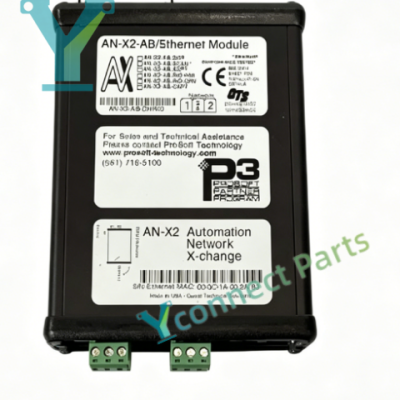
ProSoft AN-X2-AB-DHRIO EtherNet/IP to DH
-
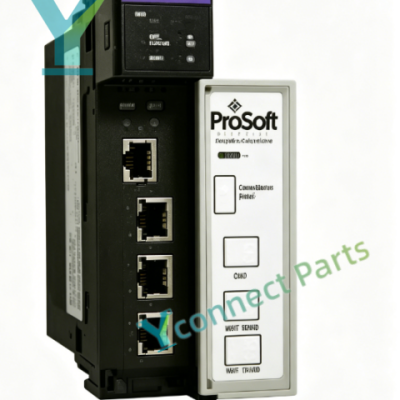
ProSoft MVI56-MNETR Modbus TCP Communica
-
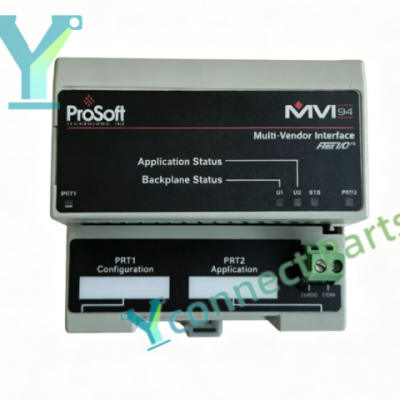
ProSoft MVI94-GSC Generic Serial ASCII C
-
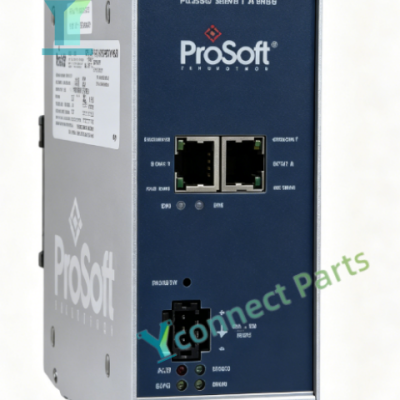
ProSoft PLX82-MNET-61850 Modbus TCP to I
-
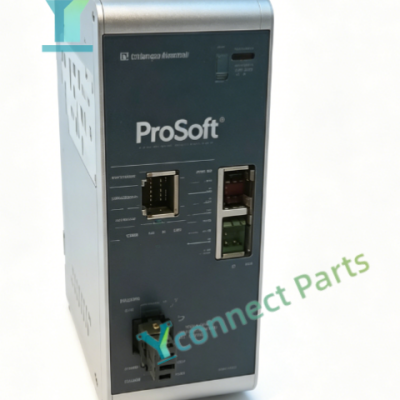
ProSoft PLX82-MBTCP-PNC Modbus TCP to PR
-
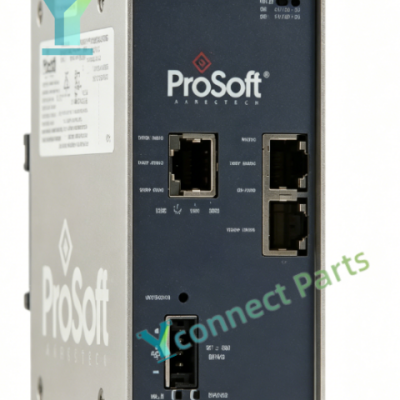
ProSoft PLX82-EIP-PNC EtherNet/IP to PRO
-
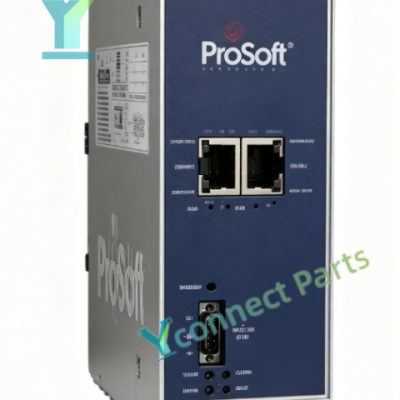
ProSoft PLX82-EIP-61850 EtherNet/IP IEC
-
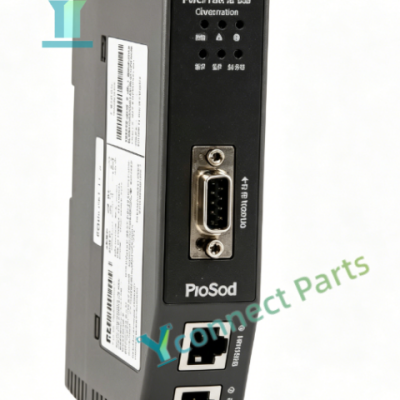
ProSoft PLX51-PBS PROFIBUS DP Slave to E
-
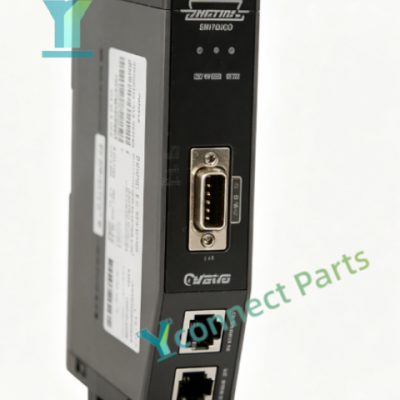
ProSoft PLX51-PBM PROFIBUS DP Master Sla
-
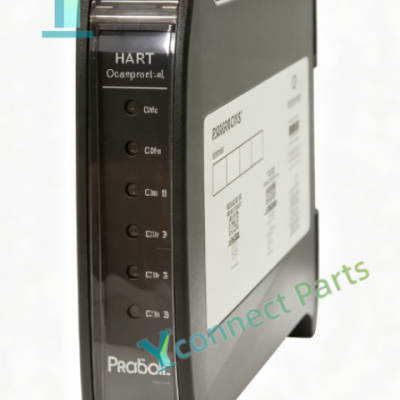
ProSoft PLX51-HART-4O 4-channel HART Out