
ProSoft 5201-DFNT-104C EtherNet/IP to IEC 104 Client Gateway Inquiry Product
Product Details
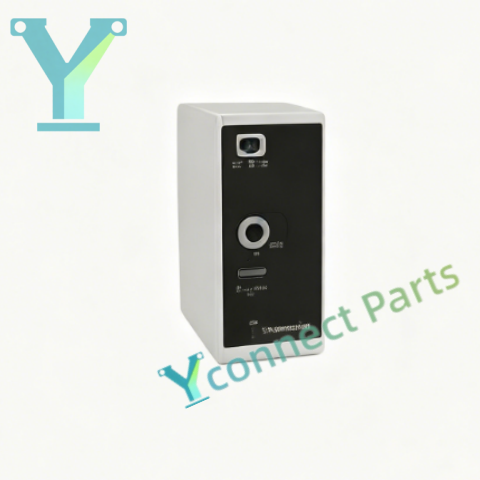
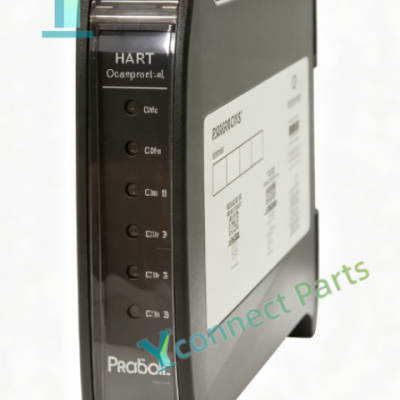
The ProSoft 5201-DFNT-104C is a standalone ProLinx protocol gateway for industrial and power automation, which realizes bidirectional data conversion between EtherNet/IP and IEC 60870-5-104 client protocols. It connects Rockwell EtherNet/IP control networks to remote IEC 104 server IEDs and substation SCADA devices, enabling PLCs to read measurement values, binary status, alarm events and send control commands to power automation equipment. The unit is equipped with one Ethernet port supporting dual protocol operation, and it supports EtherNet/IP explicit messaging as client or server. The IEC 104 client driver can establish multiple TCP connections to communicate with different IEC 104 servers, and supports standard ASDU data mapping for telemetry, telecommand and event data.
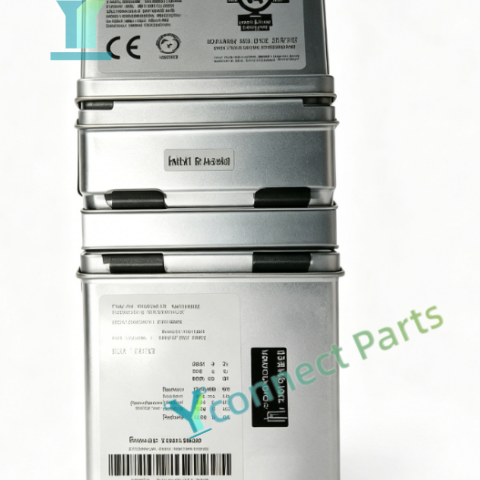
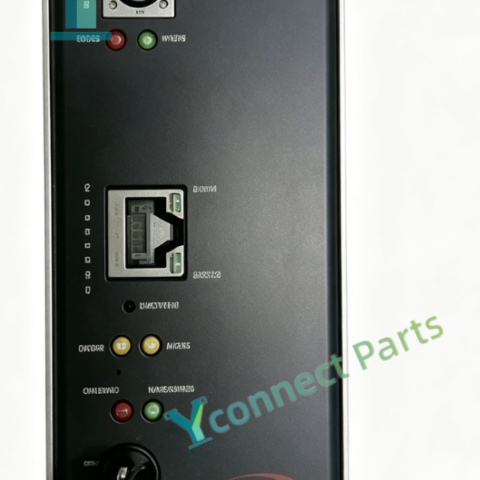
This gateway adopts DIN rail mounting for installation inside control cabinets. It is powered by 24 VDC industrial power supply and has front-panel LED indicators for power, network status, data transmit, receive and fault diagnosis, which simplifies on-site commissioning and troubleshooting. Users can complete point mapping, polling scheduling, connection parameters and diagnostic setup via ProSoft Configuration Builder software. It provides rich communication diagnosis functions to monitor TCP link status, frame error and real-time data exchange. It has robust EMC performance to adapt to harsh electromagnetic environments in power substations and factory control rooms, with an operating temperature range of 0°C to 55°C for stable continuous operation.
This protocol gateway is widely used in power substation automation, factory and power plant auxiliary control, energy management system integration, and legacy automation system upgrade projects. It allows Rockwell EtherNet/IP controllers to access IEC 104 substation devices without modifying the original PLC program or replacing field IEDs. As a discontinued legacy communication gateway, the 5201-DFNT-104C is mainly supplied as spare replacement parts for running automation systems. It maintains reliable cross-protocol data transmission, preserves the original control architecture and reduces the investment cost of system reconstruction.
Product recommendation
-
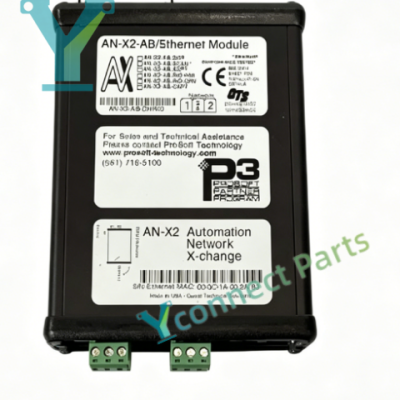
ProSoft AN-X2-AB-DHRIO EtherNet/IP to DH
-
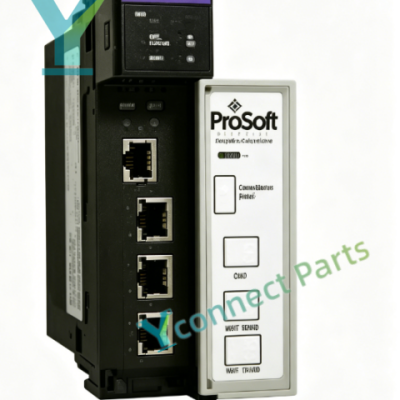
ProSoft MVI56-MNETR Modbus TCP Communica
-
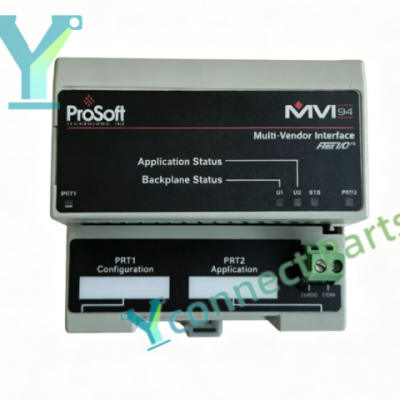
ProSoft MVI94-GSC Generic Serial ASCII C
-
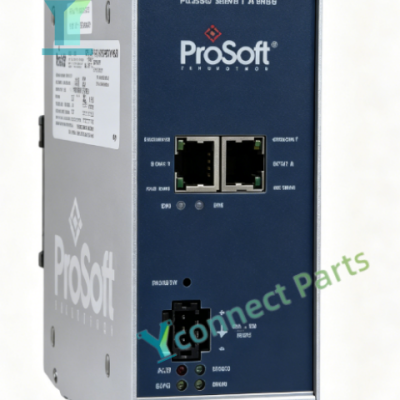
ProSoft PLX82-MNET-61850 Modbus TCP to I
-
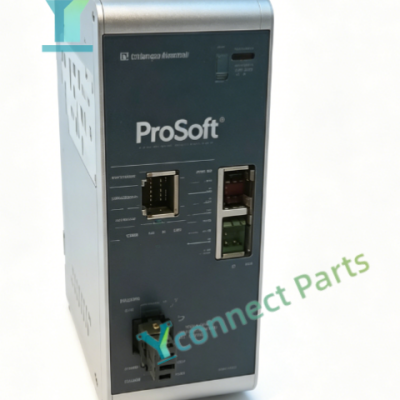
ProSoft PLX82-MBTCP-PNC Modbus TCP to PR
-
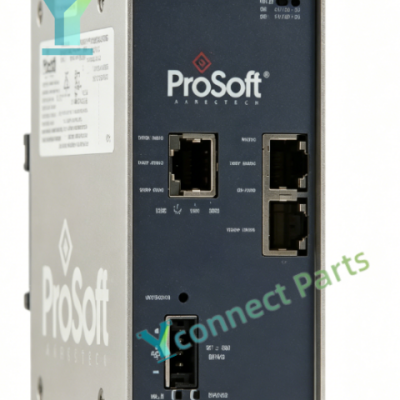
ProSoft PLX82-EIP-PNC EtherNet/IP to PRO
-
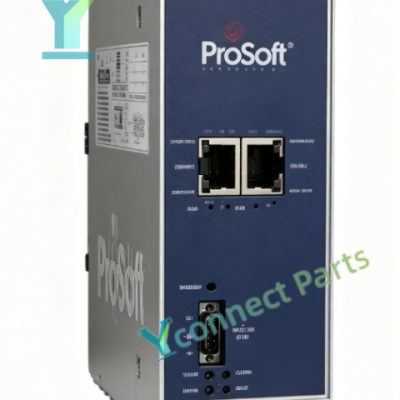
ProSoft PLX82-EIP-61850 EtherNet/IP IEC
-
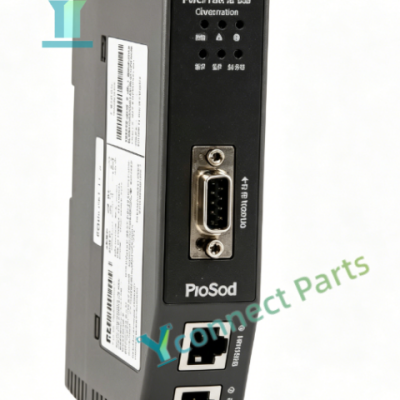
ProSoft PLX51-PBS PROFIBUS DP Slave to E
-
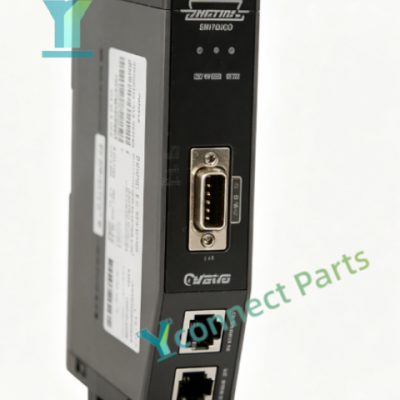
ProSoft PLX51-PBM PROFIBUS DP Master Sla
-
ProSoft PLX51-HART-4O 4-channel HART Out