
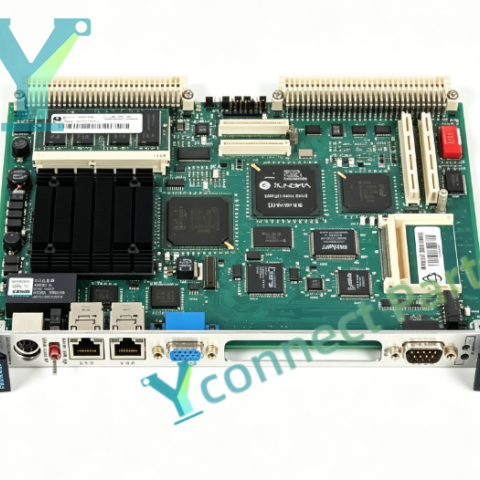
XYCOM XVME-661 low power pentium iii vme single board computer Inquiry Product
Product Details
The XYCOM XVME-661 is a discontinued single-slot 6U VMEbus PC-compatible single board computer, designed for XYCOM legacy VME control racks and rugged embedded industrial measurement and control systems. It adopts low-power Intel Pentium III 700MHz processor with 256KB on-chip L2 cache, balancing computing capability and power consumption, suitable for long-time unattended operation in factory and test environments. It supports up to 256MB SDRAM via 144-pin SODIMM socket, and carries 64-bit AGP graphics controller with 4MB SDRAM for local display output.
This SBC is equipped with abundant onboard peripheral interfaces. It integrates dual Gigabit Ethernet ports for high-speed reliable network communication, IDE interface supporting CompactFlash storage, which provides stable non-volatile storage for system firmware and application data. It has two high-speed serial ports, EPP/ECP parallel port, PS/2 keyboard and mouse interface, and reserved 32-bit PMC expansion slot with electrical isolation design. The isolated PMC site can carry mezzanine cards to add custom communication, analog acquisition or digital I/O functions, effectively isolating the backplane noise from expansion circuits. USB function can be expanded by matching XVME-974 auxiliary module. The board follows VME64x specification, and can work as VME bus master and slave, supporting A16/A24/A32 addressing, complete 7-level VME interrupt and bus arbitration mechanism, which can manage and exchange data with analog modules, digital I/O modules, counter modules and communication modules on the VME backplane. It supports multiple operating systems including Windows, VRTX and other real-time systems.
Users can set VME base address, interrupt mapping, memory allocation and peripheral parameters through BIOS and on-board jumpers to avoid resource conflicts with other VME modules. On-board power filtering and transient suppression circuits reduce electromagnetic interference from inverters, servo drives and contactors, improving operation stability in harsh industrial sites. The front panel is equipped with LED indicators for power status, CPU heartbeat, network link and fault alarm, helping maintenance technicians quickly locate boot failure, bus error and communication timeout problems during commissioning and routine inspection. The PCB adopts industrial-grade electronic components and reliable EMC protection design, capable of resisting vibration, dust and temperature fluctuation in semiconductor production equipment, aerospace test benches, power plants and automated test stations. This legacy low-power Pentium III VME CPU board is mainly supplied as spare replacement parts for existing XYCOM VME automation systems. Users need to confirm BIOS version, memory compatibility and backplane definition before installation. A conformal coated version is optional for high humidity, dusty and corrosive industrial sites. This model is widely used in supervisory control, high-speed data acquisition, multi-channel test system host and old VME embedded computing system retrofit projects.
This low power pentium iii vme single board computer adopts standard 6U single-height VME rack mount structure. It draws power from the VME backplane. LED indicators display power status, CPU activity and network status for convenient on-site inspection. The operating temperature range is 0°C to 55°C, storage temperature ranges from -40°C to +70°C, relative humidity 5% to 95% non-condensing. It complies with industrial shock, vibration and EMC standards and has CE certifications. It supports memory mapping and peripheral configuration backup for fast recovery after hardware replacement.
This XYCOM XVME-661 processor module is widely applied in legacy VME control racks and industrial automation upgrade projects. It serves as low-power high-performance x86 host to run control software, collect field measurement data and realize high-speed network transmission. As a reliable discontinued spare part, the XYCOM XVME-661 retains original VME bus timing and firmware compatibility, and effectively reduces the renovation cost of legacy industrial control system maintenance.
Product recommendation
-
XYCOM XVME-979/4 CD-RW and hard disk mas
-
XYCOM XVME-979 optical and hard disk mas
-
XYCOM XVME-977 hard disk floppy disk mas
-

XYCOM XVME-976 PMC and PC104 expansion c
-
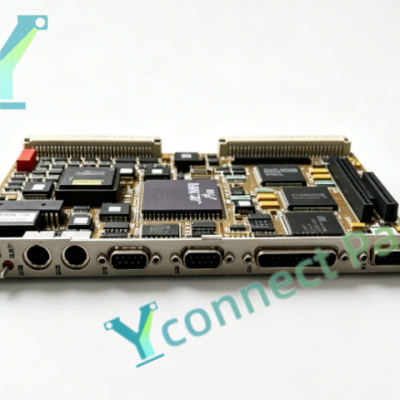
XYCOM XVME-973/1 drive adapter module In
-
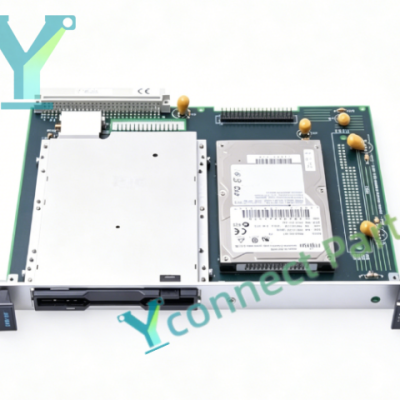
XYCOM XVME-957 high-capacity IDE storage
-
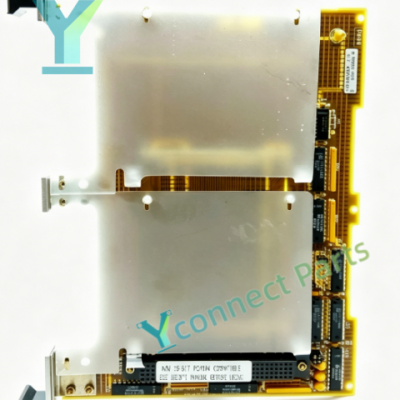
XYCOM XVME-956 PC/AT I/O expansion carri
-
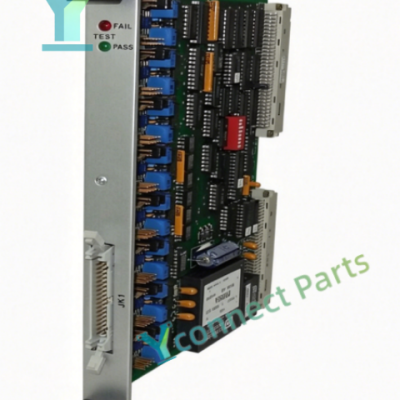
XYCOM XVME-955 floppy and hard disk stor
-
XYCOM XVME-690 pentium m vme single boar
-
XYCOM XVME-688 386SX PC/AT VME single bo