
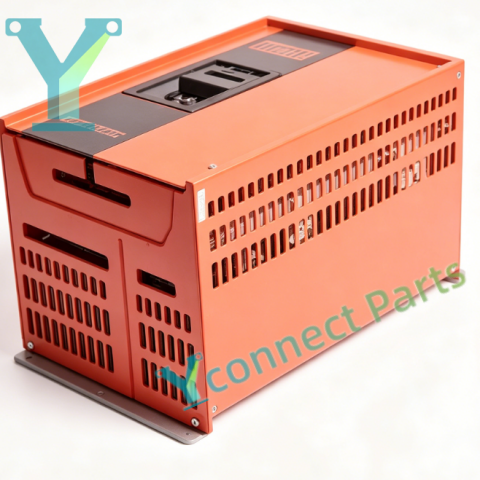
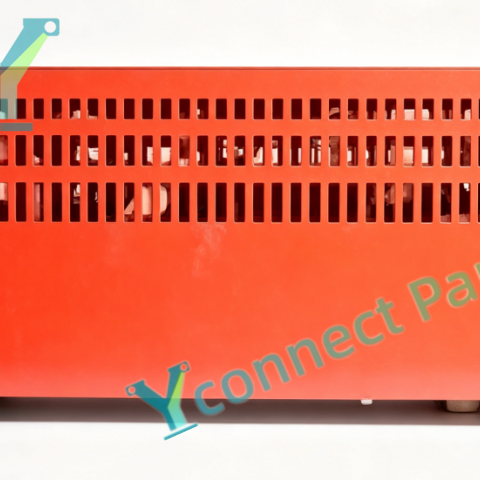
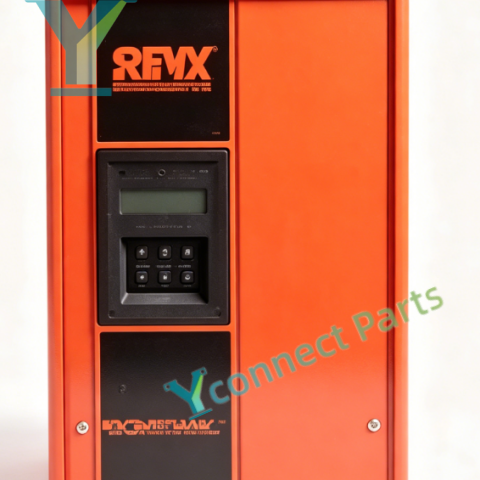
SEW 3005-403-4-00 frequency inverter drive spare part Inquiry Product
Product Details:
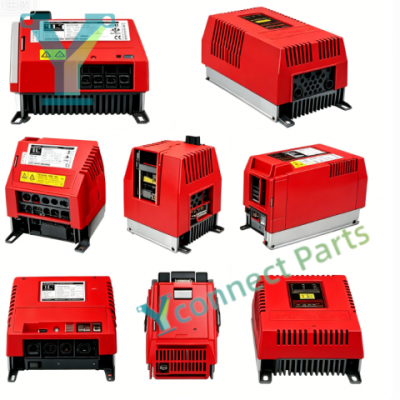
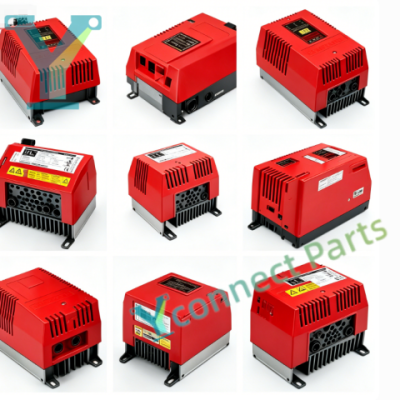
The SEW 3005-403-4-00 frequency inverter is part of the MOVITRAC series, an industrial drive spare part from SEW-EURODRIVE for three-phase asynchronous motor speed and torque adjustment. This vfd unit supports V/f control and sensorless vector control. It changes output voltage and frequency synchronously to adjust motor running speed and torque. It can receive speed setpoint signals from wiring terminals, local operating panel or optional fieldbus adapters, run internal control programs, and output PWM variable frequency power to drive the matched AC motor. Soft start and soft stop are supported to cut starting inrush current and reduce mechanical impact on gears, belts and transmission parts. When internal power components or control circuits are damaged, the motor will run abnormally, trigger overload, overvoltage or overheat alarms, and lead to sudden stop of the production machine.
This vfd unit is IP20 cabinet-mounted compact module. It supports three-phase 380–500V AC input, with reserved terminals for external braking resistors and EMC filters. Digital and analog I/O ports are built for signal interlock and status feedback. It can be expanded with SEW keypad and communication cards for parameter setting and remote data transmission. It has complete protection including overcurrent, overvoltage, undervoltage, short circuit, overheat and motor overload protection. The rated working ambient temperature range is 0℃ to 55℃, and storage temperature ranges from -20℃ to 70℃. LED lights and digital screen on the front show frequency, output current and fault codes for quick troubleshooting.
This SEW 3005-403-4-00 frequency inverter is commonly used as maintenance spare for conveyors, packaging machines, fans, pumps, mixers and other general equipment needing variable speed. The original manufacturer has discontinued this model, and most units available on the global industrial spare parts market are fully tested refurbished units. Before installation, technicians need to check IGBT power modules, electrolytic capacitors, driving chips, cooling parts, PCB tracks and power terminals for swelling, leakage and bad contact. After installation, users need to fill in motor nameplate data, choose control mode, set acceleration and deceleration ramp time, and carry out no-load and load running tests. Correct parameter setting and routine inspection can keep the motor running stably and reduce unplanned production downtime.
Product recommendation
-
SEW BW090-P52B braking resistor spare pa
-
SEW BW072-003 braking resistor spare par
-
SEW BW068-004 braking resistor spare par
-
SEW BW047-004 braking resistor spare par
-
SEW BW039-012 braking resistor spare par
-
SEW BW033-012 braking resistor spare par
-
SEW BW027-006 braking resistor spare par
-
SEW BW018-035 braking resistor spare par
-
SEW BW012-050 braking resistor spare par
-
SEW BTS20-300-40-IGBT braking chopper un