
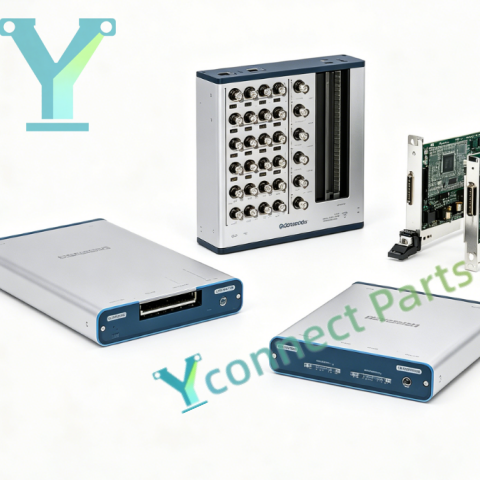
NI PCI-4451 dynamic signal acquisition card Inquiry Product
Product Details
The NI PCI-4451 is a DSA dynamic signal acquisition card built for standard PCI bus computers, specially engineered for high-fidelity vibration and acoustic measurement tasks. It adopts delta-sigma ADC architecture with 128x oversampling, providing 16-bit resolution and simultaneous sampling across all input channels to maintain accurate phase consistency for multi-channel dynamic testing. This card supports sampling rates ranging from 5 kS/s to 204.8 kS/s, paired with integrated low-distortion digital filters to suppress aliasing noise and keep signal distortion at an extremely low level. It achieves up to 90 dB dynamic range and excellent amplitude flatness of ±0.1 dB, which is critical for capturing weak vibration signals and audio waveforms without distortion.
This dynamic signal acquisition card is equipped with 4 differential analog input channels, and it supports software-selectable input voltage ranges to adapt to different transducer outputs. It comes with flexible AC/DC coupling settings, multiple trigger modes including pre-trigger and post-trigger, and two built-in 24-bit counter/timers to support synchronous timing control. It also includes TTL-compatible digital I/O lines for simple interlock and trigger signal exchange with external test equipment. The board is designed for low-noise operation, which makes it suitable for connecting accelerometers, microphones and other vibration and acoustic sensors in industrial test environments.
It is widely applied in NVH testing, modal analysis, structural vibration inspection, audio component testing, machinery fault diagnosis and product acoustic performance verification. The standard PCI form factor can be installed into industrial PC chassis conveniently, and it works well with LabVIEW, LabWindows/CVI and NI measurement software for customized test algorithm development. As a legacy DSA device, the PCI-4451 is frequently used to maintain existing vibration and acoustic test benches. It can stably run long-time continuous signal recording and spectrum analysis, helping users avoid expensive reconstruction of mature measurement systems. Its operating temperature covers 0°C to 55°C, supporting reliable continuous operation in laboratory and factory test stations.
Product recommendation
-
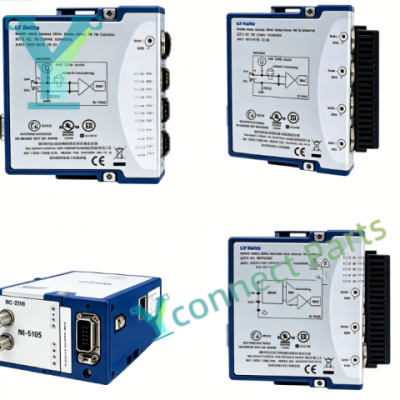
NI PCI-6511 isolated digital input card
-
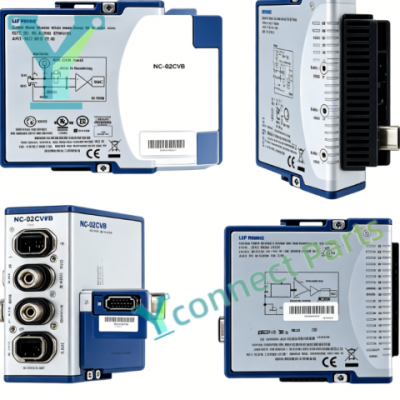
NI PCI-6510 isolated digital input card
-
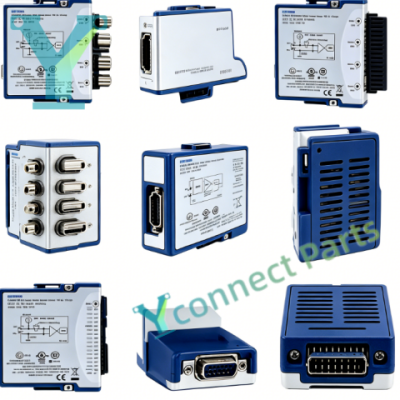
NI PCI-6509 high drive digital i/o card
-
NI PCI-6503 digital i/o card Inquiry Pro
-
NI PCI-6289 M-series high precision mult
-
NI PCI-6281 M-series high precision mult
-
NI PCI-6280 M-series high precision mult
-
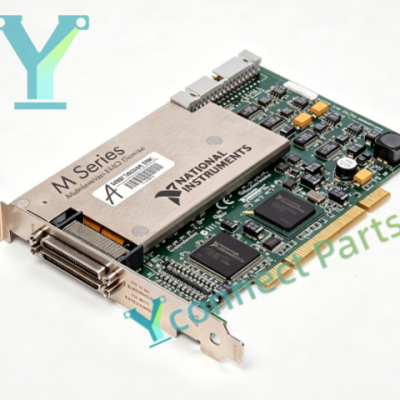
NI PCI-6259 M-series high speed multifun
-
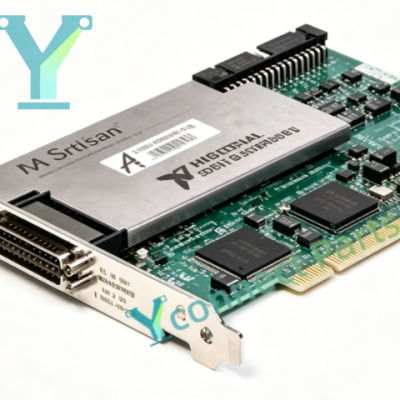
NI PCI-6255 M-series high speed multifun
-
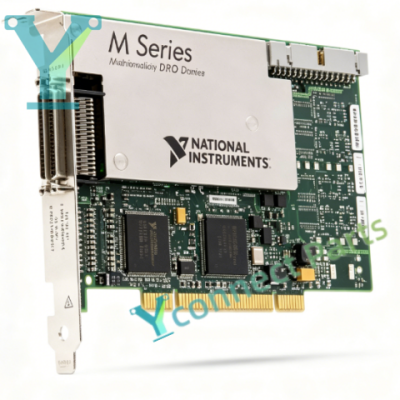
NI PCI-6254 M-series high speed multifun